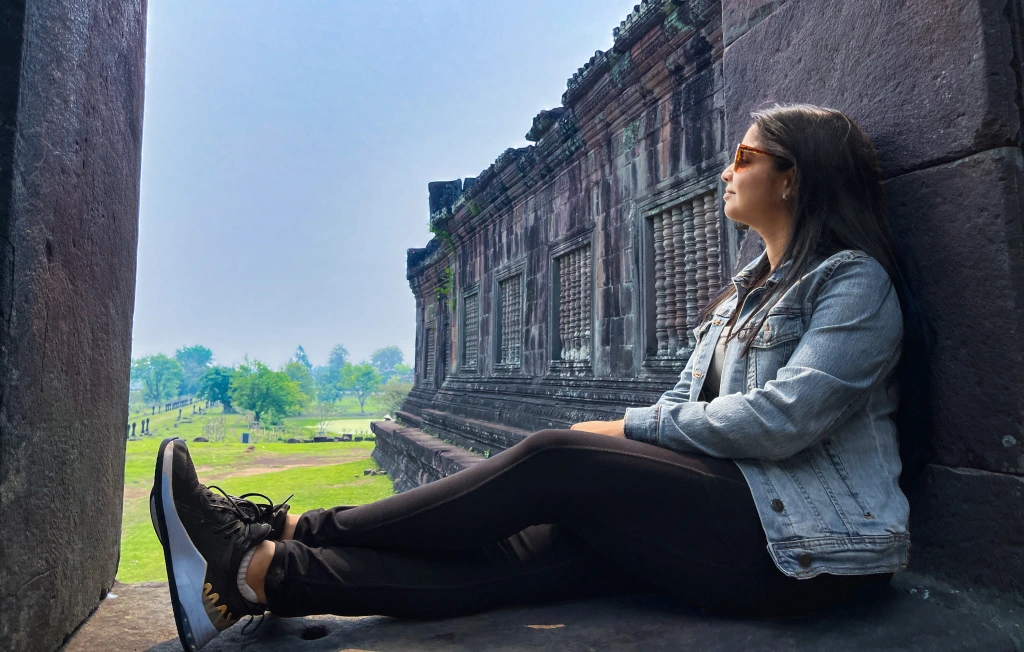
Laos
Embarking on my first tour in Laos, I quickly realized that the size of the Embassy and the country were just two pieces of the puzzle that shaped my experience overseas. Living in a small capital city in a compact country presented its own unique challenges, especially for someone who thrives in the hustle and bustle of big cities. The limited nightlife, tourist attractions, and travel options required careful planning and adjustment to the slower pace of life.
I wouldn’t recommend Laos to an expat who is single and young, or a couple without kids who is looking for good nightlife, or someone who likes to travel often. The country is not very well connected, so it’s a bit challenging and inconvenient to fly to other countries in the region. Families with children, who do not like to go out as much, and who’s main concern is a good school and a quiet town – definitely enjoy their assignment in Laos!

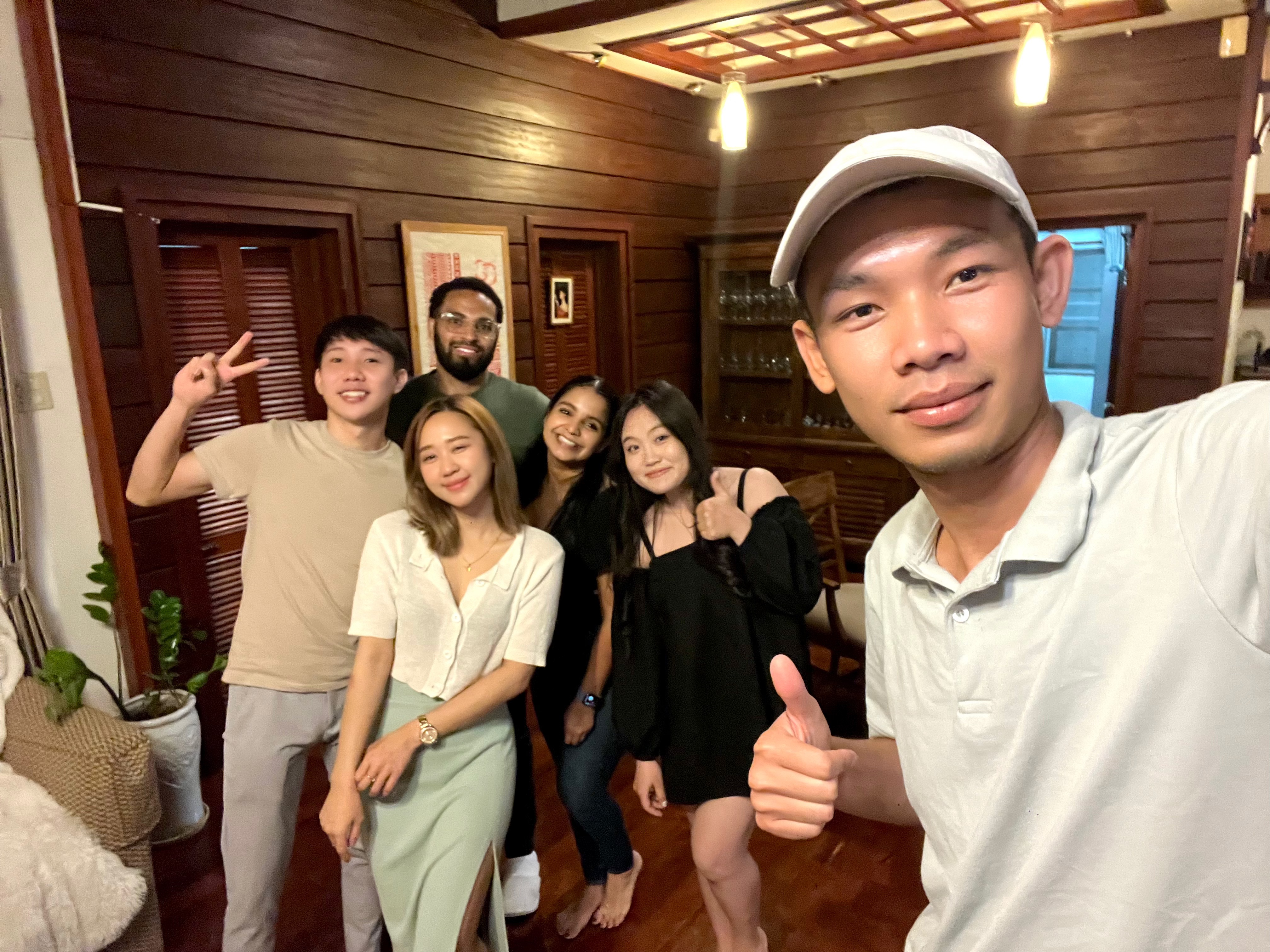
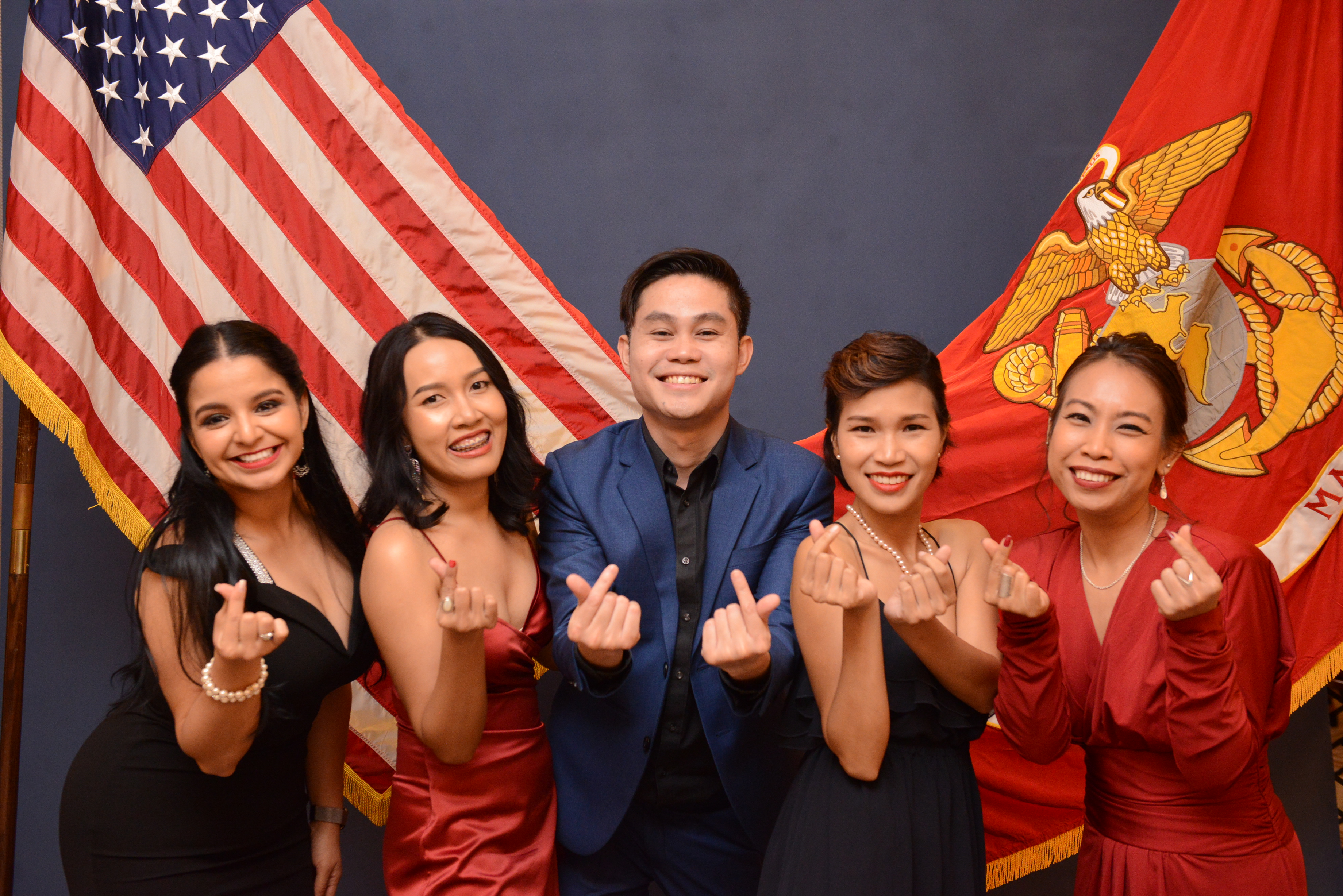
However, amidst these challenges, I discovered the true gem of Laos – its people. Warm, honest, and welcoming; they made me feel at home in a place far from my own. Crime was minimal, and stories of lost items being returned reinforced my faith in humanity. I saw tourist who did not speak the language and ask the local vendors to just take the money from the wallet and give them change. Yes, there are people who do that! Laos was very welcoming and I’m forever thankful for the locals that I met and for everything that I learned there.
The Foreign Service
Transitioning into the foreign service brought its own set of revelations. Representing the United States overseas and immersing myself in new languages and cultures filled me with pride and excitement. On a personal note, you get to meet expats from different parts of the word, make new friends, and explore new countries. The benefits – from good living accommodations to ample leave opportunities – added to the appeal of this career path. Yet, beneath the surface lies the reality of bureaucracy, where progress often requires navigating through layers of red tape.

Many individuals are drawn to the job due to its attractive benefits package, including pension, job security, and various leave categories. Initially, you receive approximately three weeks of leave per year for the first three years, increasing to four weeks thereafter, and eventually reaching five weeks. Additionally, there are separate allowances for sick leave, local holidays, and home leave. While there is some flexibility in scheduling leave, constraints may arise, particularly during long-term training periods. However, once you accrue leave, taking time off for several weeks at a time becomes feasible. It’s important to note that leave availability may be limited during the first 1-2 years, but improves over time.
The diplomatic lifestyle presents unique challenges for families, including frequent relocations and disruptions to schooling, which can prompt some families to seek stability by returning to the United States. While the Department of State has taken steps to support families, there is still room for improvement in simplifying procedures and enhancing opportunities for spouses.
The process of adding someone to travel orders can be lengthy, followed by another extensive wait for them to secure employment at the Embassy, often lasting a year or more. These prolonged processes can significantly impact spouses, leading to feelings of frustration and unhappiness. It’s important to acknowledge the sacrifices made by spouses, without sugar-coating the challenges they face. Sometimes, the strain of the lifestyle, coupled with frustrations with bureaucratic processes and the hardships of living in certain countries, can contribute to marital difficulties. While divorce is not unique to the Foreign Service, the divorce rate within the community is notably high.
Work-life balance remains elusive for many diplomats, particularly in roles like consular’ U.S. Citizen Services Chief, where being on call 24/7 is the norm. Setting boundaries and prioritizing self-care are ongoing battles, but essential for long-term well-being.

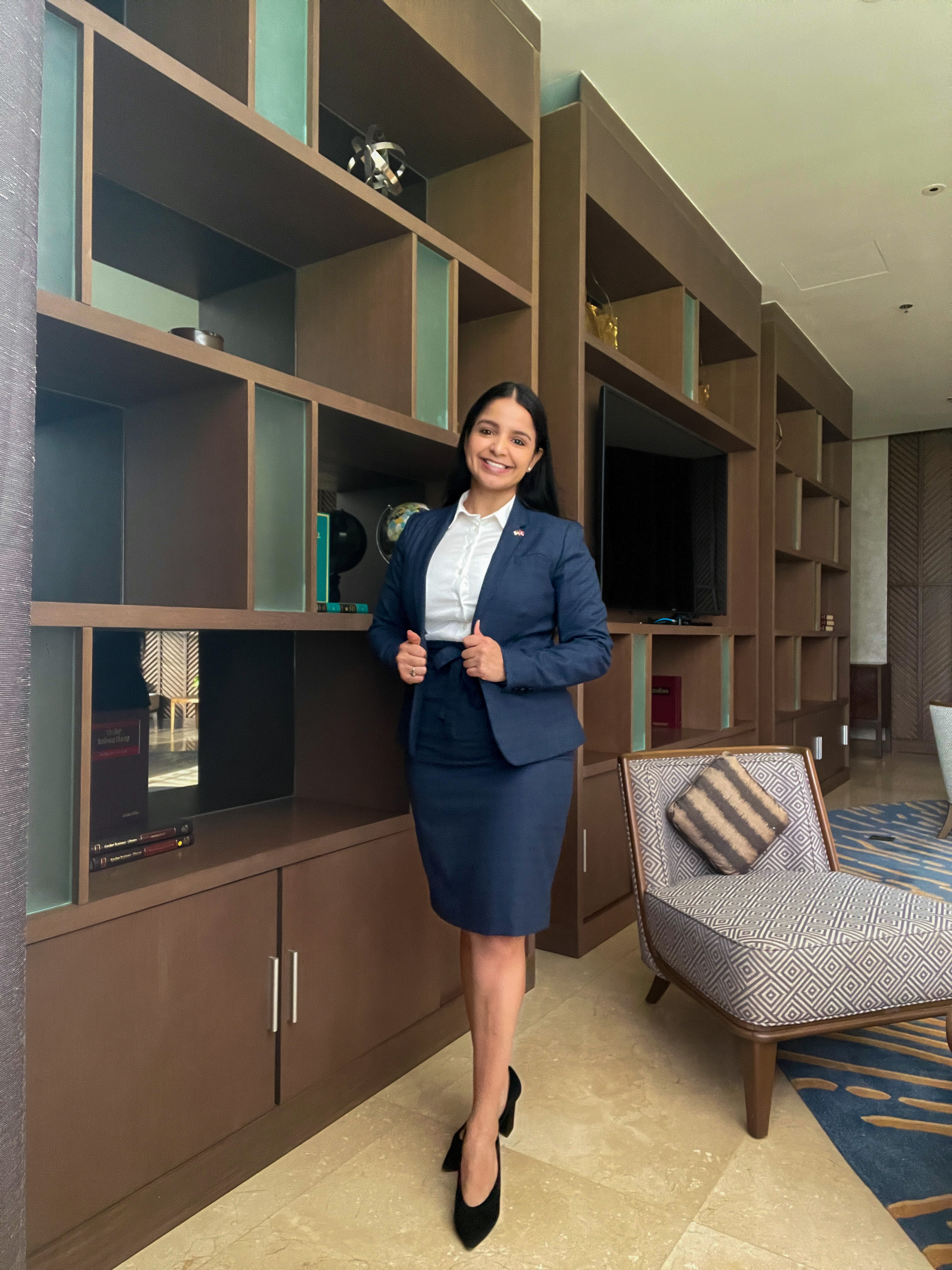
As I start my second assignment in public diplomacy, I carry with me the lessons learned from my time in Laos – resilience, adaptability, and a deep appreciation for the diverse tapestry of the foreign service. Through the highs and lows, I remain committed to navigating this remarkable journey with courage and curiosity.


 A Latina Diplomat's Journey
Leave a reply to Nate Cancel reply